soul

perpendicular

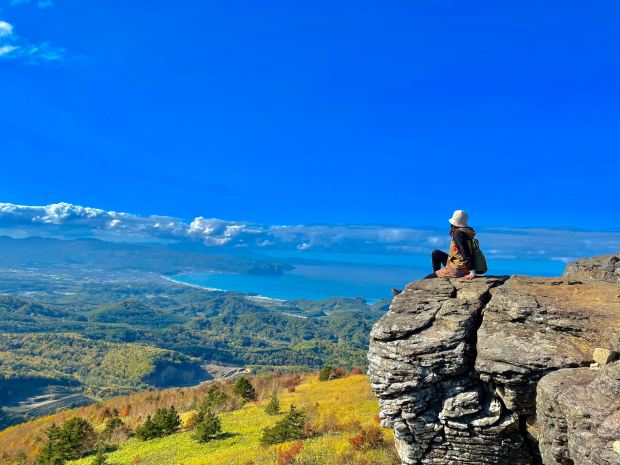
high on the escarpment

in a train

white cockatoo flies

exactly the speed

wing-beats, pace same

I’m choked

with need

to be

in love?

or grief

tendrils reach

from a thorn-spiked heart

sinuous and green

into the thick undergrowth

lustrous, keen

gymeas ridiculous

Quentin Blake sketch

in a stringybark forest

perpendicular

bridges from

a childhood book

with an old man’s pride

and tragic accident

to overcome

oh!

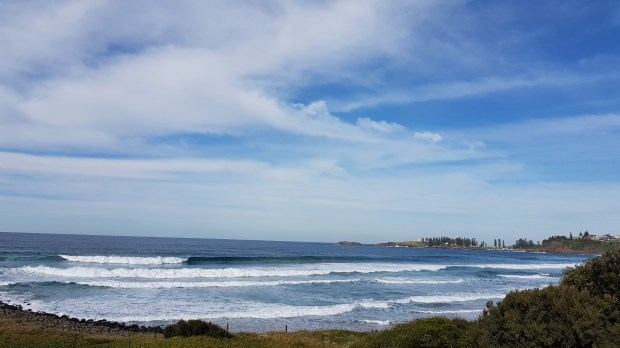
the ocean glints

and froths

whiteblue, whiteblue

in the distance, so

utterly beautiful

that rock shelf

like bricks, like stones, like fossils and holes

I yearn to be

whole

entirely

immersed

with spray in my face

spindrift, salty

it’s something like homesickness

or lust

ancient craving

carving

can’t explain

the deep interior

sea-cave

heartspace

soul-pain


Photo by Ryo Nagisa on Unsplash


Skytumble

skytumble

and the breeze

tosses me

around

batters my

spiked edges

smooths

the turmoil

of the soul

I watch the

lines of cloud

chased to the corners

of blue

funnelled towards

a far edge, reaching

white, high and fleeting

and below

and beyond

waves rise

out at sea

alarmingly like

the dream

I had

last night

of a tsunami

greygreen

they’ll reach my windows

engulf the house

tight-sealed but

ominous

a trickle

down the wall

all-engulfing

enthrals

colours in a

tropical storm

aquamarine

slides sideways

more like

quiet horror

than fright


Photo: Claire Doble

Ballet

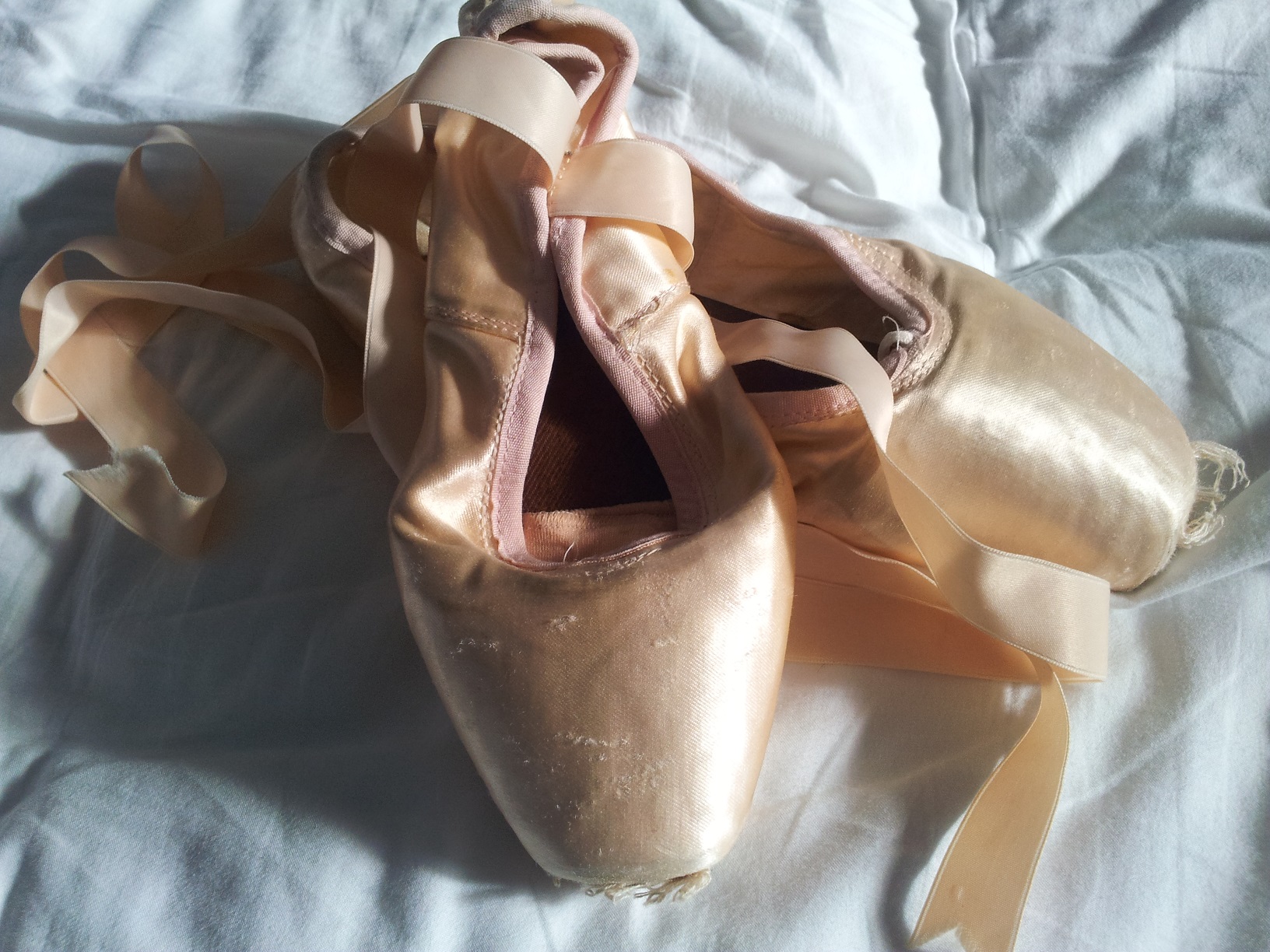
Once again I’ve started dancing

She says ballet’s good for the soul

The muscles slowly remember


But there’s no time to remember

spirits past, future or present while dancing

Full concentration! Maximum participation! Ignore the soul!


But perhaps my soul

does remember

Even while body and mind focus on dancing


Surely the soul must always remember dancing?


I’m giving National/Global Poetry Writing Month (NaPoWriMo / GloPoWriMo) a go – write one poem, per day throughout April. Today’s prompt/challenge was to write a tritina. A tritina involves three, three-line stanzas, and a final concluding line. Three “end words” are used to conclude the lines of each stanza, in a set pattern of ABC, CAB, BCA, and all three end words appear in the final line. This was a good challenge!  🙂